Understanding the psychology behind gambling behavior and decision-making
The Allure of Gambling: A Psychological Perspective
Gambling captivates individuals for various reasons, deeply rooted in psychological principles. One of the main attractions is the thrill associated with risk-taking. The adrenaline rush experienced during gambling stimulates the brain’s reward system, making it feel rewarding even when the odds are against the player. This excitement is often heightened in environments like casinos, where sensory stimuli, such as bright lights and enticing sounds, create an immersive experience that can lead to impulsive decisions. If you’re looking for insights on the top 10 online casino australia, you’ll find that the experience largely differs from traditional methods.

Moreover, the concept of “near misses” plays a significant role in gambling behavior. Players frequently experience moments where they almost win, reinforcing their belief that victory is just around the corner. This cognitive bias can lead gamblers to continue playing, fueled by the hope that their luck will soon change, despite previous losses.
The Role of Cognitive Biases in Decision-Making
Cognitive biases heavily influence gambling behavior and decision-making. For instance, the illusion of control can lead players to believe they can influence random outcomes. This misconception often arises in games like poker or blackjack, where players think that their skills can outweigh the element of chance. This false sense of control can result in increased betting and prolonged gambling sessions.
Another significant bias is the gambler’s fallacy, where individuals believe that past outcomes influence future results. For example, if a particular number hasn’t appeared in a while, a gambler may assume it is “due” to win, leading to irrational betting patterns. These biases can cloud judgment, pushing individuals to make decisions that are not aligned with statistical realities.
The Impact of Emotions on Gambling Choices
Emotions can significantly affect gambling choices, often leading to irrational decision-making. Many gamblers chase losses, driven by feelings of frustration or disappointment. This emotional reaction can compel them to increase their bets in an attempt to recover previous losses, often resulting in even greater financial setbacks. The interplay between emotion and decision-making creates a dangerous cycle that is difficult to break.
Conversely, positive emotions can also influence gambling behavior. When experiencing joy or excitement, individuals may become more willing to take risks, thinking they can capitalize on their good fortune. These emotional highs can distort reality, leading to decisions that may not reflect an individual’s typical risk tolerance or financial capability.
The Distinction Between Online and Offline Gambling Experiences
The psychology behind gambling varies significantly between online and offline experiences. In offline settings, physical presence and social interactions contribute to the gambling environment, often enhancing the thrill. Players are influenced by the behaviors and emotions of those around them, leading to a more communal gambling experience. This environment can lead to heightened excitement, but it can also amplify peer pressure to bet more.
In contrast, online gambling offers anonymity and convenience, attracting a different psychological profile. Many players may feel a sense of detachment from the consequences of their actions when gambling online. This detachment can lead to increased betting behavior, as players are less likely to feel the immediate impact of their losses. The absence of social cues can also lead to reckless decision-making, as individuals may not be as mindful of their gambling habits.
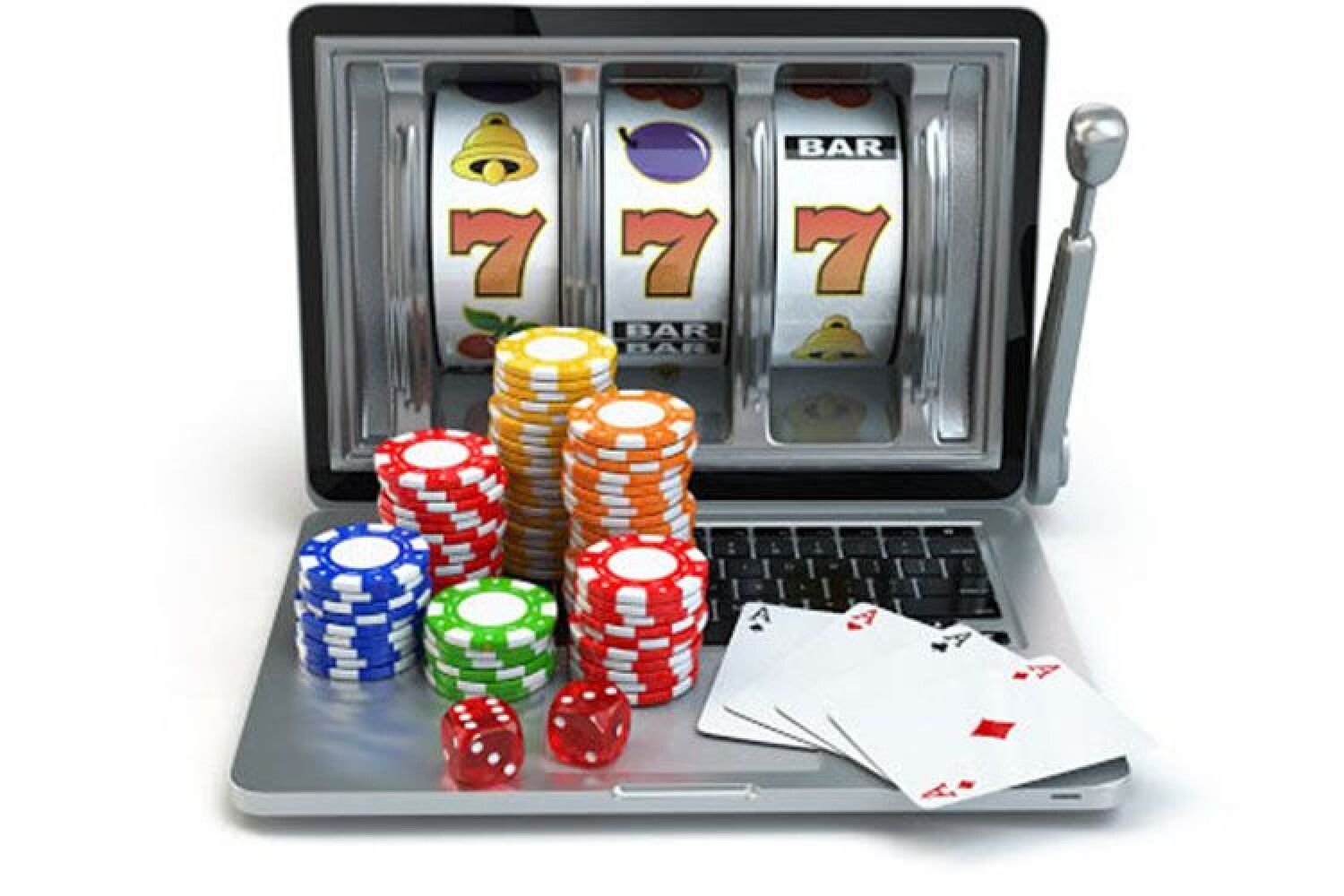
Your Gateway to Understanding Gambling Behavior
Understanding the psychology behind gambling behavior and decision-making is crucial for both players and operators in the gambling industry. By gaining insights into the cognitive biases, emotional influences, and differences between online and offline experiences, players can make more informed choices. It also highlights the importance of promoting responsible gambling practices to mitigate the risks associated with gambling.
As you explore the gambling landscape, whether online or in-person, being aware of these psychological factors can enhance your gaming experience while promoting responsible habits. Prioritizing a balanced approach to gambling ensures that it remains a source of entertainment rather than a potential source of distress.